What it is
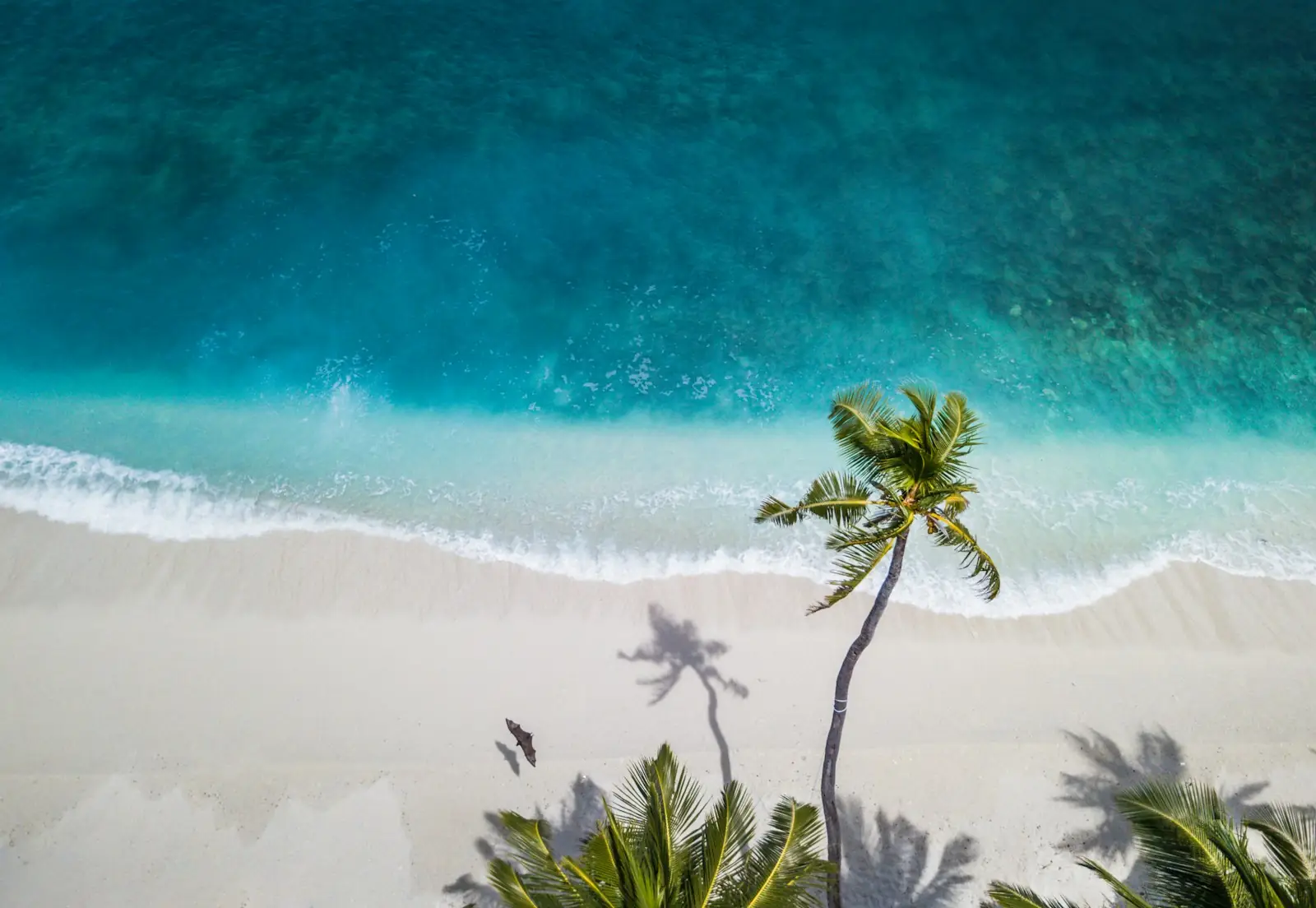
Quiet beaches on Roatan are generally stretches of shoreline with fewer visitors, less amplified music, and fewer vendors or organized activities. They may be small coves, the far ends of longer beaches, or spots tied to a smaller beach club or boutique property.
What feels quiet is personal. For some people it means a peaceful place to read and listen to the waves. For others it means a calm spot where children can play without crowds. Because Roatan is a working tourist island, noise and crowd levels can change with the day of the week, the time of day and the season.
Quiet does not mean supervised or guaranteed safe. Most Roatan beaches are not lifeguarded, so a secluded beach can also mean fewer people nearby if you need help. It is worth keeping that in mind when choosing where to spend your time.
How it’s traditionally been approached
Travelers have traditionally found calmer beaches by asking their hotel or host, talking with local taxi drivers and boat operators, and reading recent traveler accounts. Many people also simply walk farther along a beach, since crowds often gather close to the main access points.
Another common approach has been timing. Early mornings and later afternoons often feel more relaxed than midday, and days when fewer cruise ships are in port may feel different from busier ones. Schedules change, so it is best to confirm locally rather than assume.
Some visitors choose a smaller beach club or a resort day pass for a more controlled setting, with seating, shade and food nearby. Others prefer an undeveloped shore with fewer facilities. Each approach has trade-offs between privacy, convenience and comfort, and none is better for everyone.
How the right beach business may help
The right beach business may help you match a spot to the kind of day you want. A local operator often knows how a particular beach tends to feel at different times, what facilities are on site, and how to get there. A visit generally starts with a conversation about your group, your timing and your comfort level.
Useful questions include: How busy does this beach usually get, and at what times? Is there shade, seating, restrooms and food or water? How do I get here and back? Are there rules about music, drones or groups? What should I know about swimming, entry points and current conditions here?
Ask for current pricing, access details and reservation requirements directly from the business, since these can change. Check official sources such as the National Hurricane Center, NOAA, your hotel or a local operator close to your trip, and swim with a buddy. Please also follow marine park rules by never touching or standing on coral or marine life.
The bigger picture
A quiet beach day can be restorative. Slowing down, hearing the water and having space to breathe often helps people feel more rested, and choosing the right setting up front can save you stress, money and wasted time during a short trip.
Peace of mind also comes from being realistic. A secluded beach may feel wonderful, but it helps to plan for shade, water, transport and your own comfort level. If you are looking after your own wellbeing as a provider or caregiver, Providers.plus is one resource you may find useful for the bigger picture.
Keep in mind
- Quiet is subjective, so ask a local business what a beach is typically like rather than relying on one description.
- Most Roatan beaches are not lifeguarded; check local conditions and swim with a buddy.
- Conditions change by season and day, so check the National Hurricane Center, NOAA, your hotel or a local operator close to your trip.
- Pricing, access and hours vary, so confirm them with the business listed or through Contact Us.
Not sure where to start? Answer a few gentle questions and choose who you’d like to hear from.
Frequently asked questions
What are the quiet beaches Roatan visitors can enjoy?
Quiet beaches on Roatan tend to be smaller coves, the far ends of longer beaches, and spots near smaller beach clubs or boutique properties. Which one suits you depends on the area you are staying in and when you go. Browse the listings in this directory or ask your hotel or a local operator for current suggestions.
Are quiet beaches on Roatan safe for swimming?
Most Roatan beaches are not lifeguarded, and a quiet beach may have fewer people nearby if you need help. Check local conditions with your hotel or a local operator, swim with a buddy, and avoid assuming any beach is guaranteed safe. Always follow local guidance on the day.
When is the best time to find a quiet beach in Roatan?
Early mornings and later afternoons often feel calmer than midday, and weekdays may feel different from weekends. Seasonal patterns and cruise ship schedules can also affect how busy an area is. Confirm timing with a local business, since it can change.
Can I visit a quiet beach with kids?
Many families do enjoy calmer beaches, especially ones with gentle entry, shade and nearby facilities. Because most beaches are not lifeguarded, children need close supervision at all times. Our family-friendly beaches category may help you compare options.
Do I need a day pass for a quiet beach on Roatan?
Some beaches are open to the public, while others are part of a resort or beach club that offers day passes. Policies and pricing vary and can change. Contact the business listed or use Contact Us for current details.
How do I find quiet beaches Roatan locals recommend?
Ask your host, hotel staff, boat operators and beach club teams, who tend to know how each area feels through the week. You can also request the Roatan Discovery Guide, which is reviewed and sent out by our team. Always check current conditions before heading out.
Educational resource. The Beach Club Roatan shares general information and connects people with independent beach businesses. It is not professional advice. Talk with a qualified professional about your own situation.