What it is
Beach safety and planning means learning a few basics before you head to the water: how currents and surf can behave, how strong the Caribbean sun can be, and what local rules protect the reef. It is about being informed, not worried.
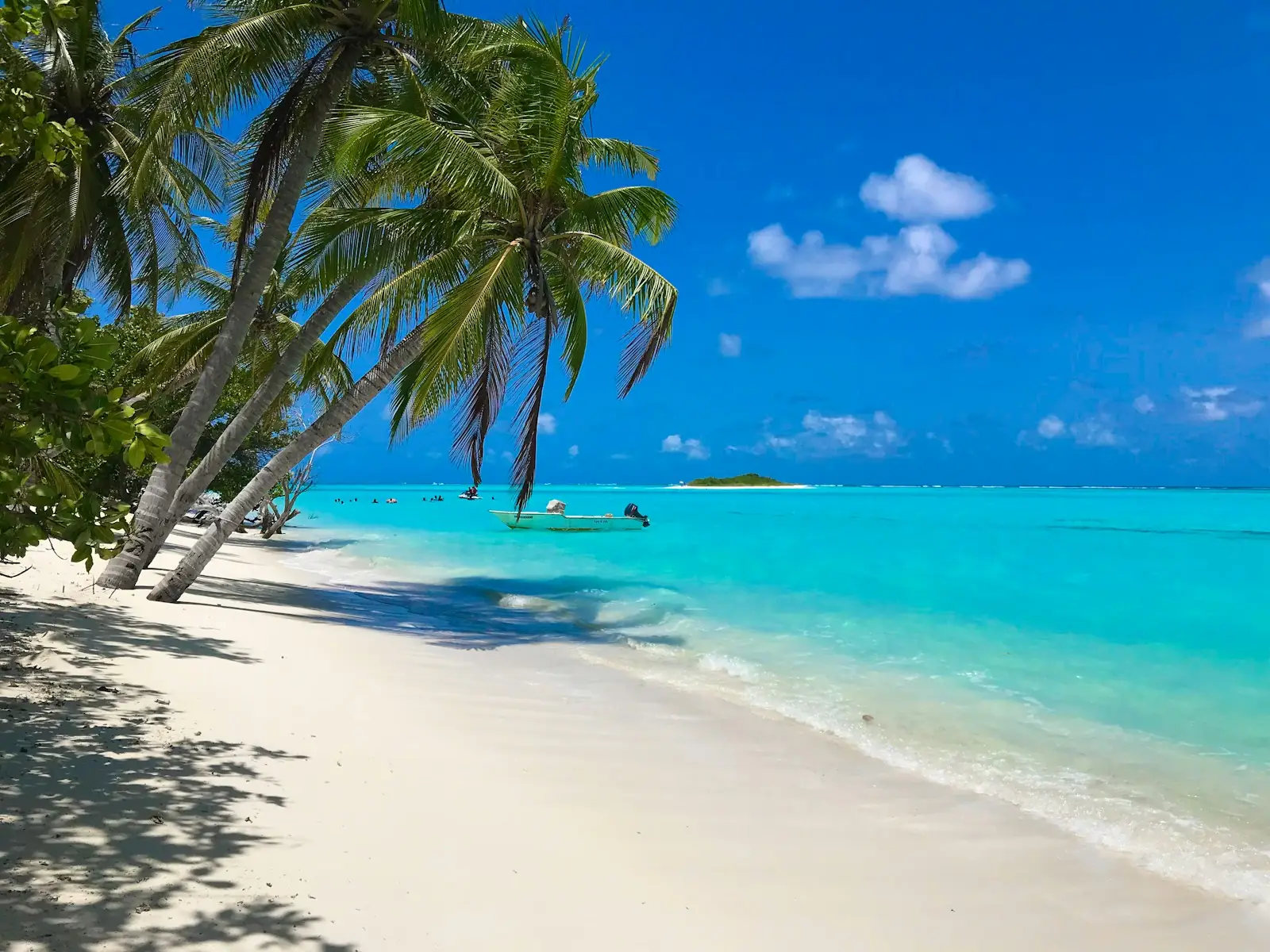
Roatan sits along a protected reef system, and many of its beaches look calm from the shore. Conditions can still change with wind, tides and weather, so what you see at one beach may differ from another, or from one day to the next.
Most Roatan beaches are not lifeguarded. That makes it worth checking local conditions, swimming with a buddy, and asking people who know the area, such as your hotel, a dive shop or the staff at a beach business, before you get in the water.
How it’s traditionally been approached
Visitors have traditionally relied on local knowledge. Hotel front desks, dive operators, boat captains and long-time residents often know how a particular stretch of shore tends to behave and which areas are better for relaxed swimming or snorkeling.
For weather and seasonal planning, travelers commonly look at general patterns, such as drier and wetter periods and the Atlantic hurricane season, and then check official sources like the National Hurricane Center and NOAA close to their travel dates.
For sun care, people have long used shade, hats, light clothing, reef-conscious sunscreen choices and plenty of water. For the marine park, the long-standing approach is simple: look but do not touch, and follow the guidance posted by local operators and park staff.
How the right beach business may help
The right beach business may help you turn all of this into an easy day. A well-run beach club can offer shade, seating, food and drinks, and staff who know the local setting. Many can tell you how the area is typically used for swimming or snorkeling, though they cannot guarantee conditions.
When you contact a business, you might ask: Is this beach lifeguarded? (Most are not.) Where do guests usually swim or snorkel? Are there areas to avoid? What are the day pass or rental details right now? Current pricing is best confirmed directly with the business listed or through Contact Us.
It can also help to ask about marine park etiquette, reef-friendly sun products, shade options and what to do if the weather turns. A good operator will welcome these questions and answer them plainly.
The bigger picture
A beach day works best when you feel at ease. Knowing the basics, such as pacing your time in the sun, drinking water, and swimming with a buddy, can lower stress so you can be present with the people you are with.
Planning also protects your budget and peace of mind. Confirming details ahead of time may help you avoid surprises, and respecting the reef helps keep Roatan beautiful for future visitors. If you would like more help preparing, you can request the Roatan Discovery Guide, which our team reviews and sends out.
Keep in mind
- This page is travel and tourism information only. It is not medical, legal or safety advice.
- Conditions, currents and weather change. Check official sources like the National Hurricane Center and NOAA, plus your hotel or a local operator, close to your trip.
- Most Roatan beaches are not lifeguarded, so swim with a buddy and never assume a beach is supervised or safe.
- Never touch or stand on coral or marine life, and follow all marine park rules.
Guides in this topic
Beach business types
Frequently asked questions
What are the best roatan beach safety tips?
Check local conditions with your hotel or a local operator before swimming, and swim with a buddy. Remember that most Roatan beaches are not lifeguarded. Protect yourself from the sun, drink water and respect posted marine park guidance.
How do I stay safe around rip currents in Roatan?
Learn about rip currents before you travel and ask locals whether any area has unusual water movement that day. Avoid swimming alone and consider calmer areas if you are unsure. Conditions can change, so rely on current local guidance rather than assumptions.
What are the Roatan marine park rules?
In general, the rule is to look but not touch. Do not touch, stand on or collect coral or marine life, and follow the guidance of local operators and park staff. Ask your dive shop or tour provider about current specific rules.
When is the best time to visit Roatan beaches?
It depends on what you want, since Roatan has general drier and wetter seasonal patterns and falls within the Atlantic hurricane season. No time is guaranteed to have ideal weather. Check the National Hurricane Center, NOAA and your hotel close to your travel dates.
How should I plan sun protection for a Roatan beach day?
Plan for shade, a hat, light clothing, water and sunscreen, reapplied as directed on the label. Many visitors choose reef-conscious products. A roatan beach club with shaded seating can make breaks from the sun easier.
Is a roatan beach club lifeguarded?
Do not assume so. Most Roatan beaches are not lifeguarded, and each business is different. Ask the roatan beach club you are considering directly about its setup, and for current pricing and details, contact the listed business or use Contact Us.
Educational resource. The Beach Club Roatan shares general information and connects people with independent beach businesses. It is not professional advice. Talk with a qualified professional about your own situation.