What it is
Sun protection for a beach day means the everyday choices that limit how much direct sun your skin and eyes take in while you enjoy the water and sand. It usually combines shade, clothing, sunscreen, eyewear and sensible timing rather than relying on any single item.
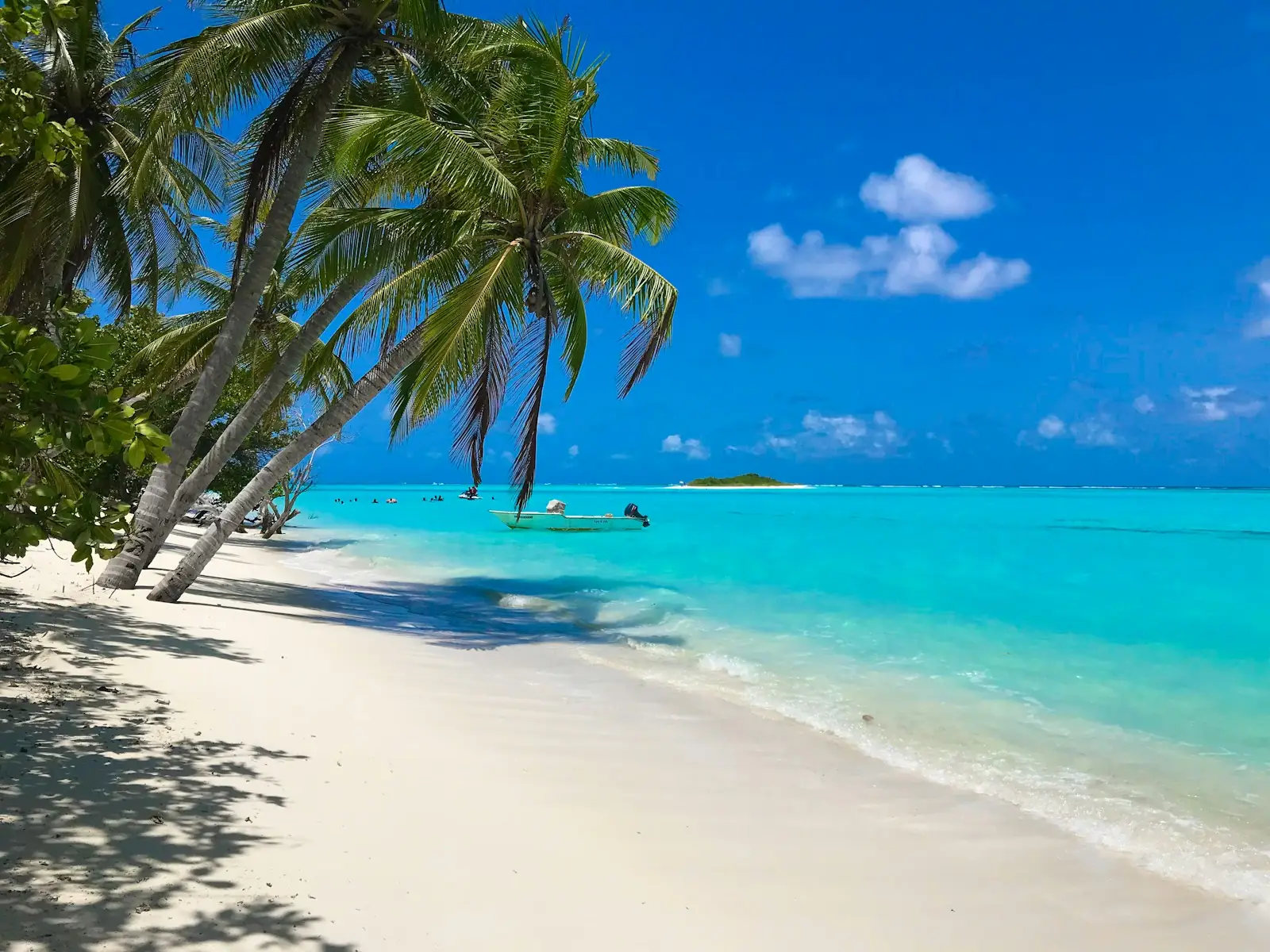
On Roatan, the Caribbean setting means bright light reflects off white sand and clear water, which can make the sun feel more intense than you expect. Visitors coming from cooler climates are often surprised by how quickly a long day outdoors adds up.
Sun protection also includes staying hydrated and giving yourself breaks from the heat. It is part of general beach day planning, alongside checking local conditions and swimming with a buddy.
How it’s traditionally been approached
Travelers have long relied on the familiar basics: sunscreen applied before heading out and reapplied through the day, a wide-brimmed hat, sunglasses, and a light cover-up. Many also plan their most active hours for earlier or later in the day and rest in shade around midday.
Many visitors also choose long-sleeve sun shirts or rash guards for swimming and snorkeling, since these can reduce how much sunscreen is needed on covered areas. Because Roatan has a protected marine environment, many visitors look for reef-conscious sunscreen options and ask local operators what they recommend.
Locals and long-time visitors often lean on natural shade such as palms and covered palapas, plus a cool drink and a lazy lunch in the shade. Pacing the day this way has long been a simple, relaxed approach to the tropics.
How the right beach business may help
The right beach business, such as a beach club, resort beach, or tour operator, may make sun protection easier. Some offer shaded seating, umbrellas, loungers, covered dining areas, or shops where you can pick up forgotten items. What is available varies, so it is worth checking the listing for each business.
A visit is generally relaxed: you arrive, choose a spot, and settle in. This is a good moment to ask staff about shade options, where you can refill water, and what time of day tends to be sunniest or most crowded at that location.
Helpful questions include: Is there covered seating, and is it first come or reservable? Can I buy or borrow sun gear on site? Do you have guidance on reef-friendly sunscreen? What are the current day pass or rental terms? For pricing, contact the business directly or use Contact Us.
The bigger picture
A good beach day is about more than avoiding discomfort. Feeling prepared can ease worry, so you can focus on rest, family time and the scenery instead of rushing to fix a sunburn or cut a day short. Small choices like shade breaks and water can help your whole trip feel more restful.
Taking care of yourself on vacation is also a kind of peace of mind. If you have specific concerns about your skin, medications or health, a qualified professional is the right person to ask before you travel. Providers.plus can be one place to explore wellness resources.
Keep in mind
- This page is general travel information, not medical or safety advice; talk with a qualified professional about your own skin and health needs.
- Most Roatan beaches are not lifeguarded, so check local conditions with your hotel or a local operator and swim with a buddy.
- For weather and seasonal outlooks close to your trip, consult official sources such as the National Hurricane Center and NOAA rather than relying on general patterns.
- Never touch or stand on coral or marine life, and ask operators about marine park rules and reef-friendly products.
Not sure where to start? Answer a few gentle questions and choose who you’d like to hear from.
Frequently asked questions
How do I plan sun protection for a Roatan beach day?
Plan sun protection for a Roatan beach day by combining shade, sunscreen, a hat, sunglasses and a cover-up, and by scheduling breaks away from direct sun. Bring water and think about timing your most active hours earlier or later in the day. A local beach business can often tell you what shade and supplies they have.
Is the sun strong in Roatan?
Roatan is in the tropics, so the sun can feel strong, especially on open sand and water where light reflects. Clouds and breezes can make it feel milder than it really is. It is wise to plan for sun exposure even on overcast days.
Can I find shade at Roatan beaches?
Many beaches and beach clubs on Roatan have palms, palapas, umbrellas or covered seating, though availability varies by location. Check the business listing or contact them ahead of time to ask about shaded options. Arriving earlier may help you choose a spot.
What kind of sunscreen should I bring to Roatan?
Many visitors choose reef-conscious sunscreen because Roatan has a protected marine environment. Ask your hotel, dive shop or tour operator what they recommend and whether any products are discouraged. A qualified professional can advise on what suits your own skin.
Do Roatan beach clubs rent umbrellas or loungers?
Some beach clubs and resort beaches offer umbrellas, loungers or covered seating, but offerings differ from place to place. Please contact the business listed or use Contact Us for current availability and pricing. We do not quote rates on this page.
Are Roatan beaches lifeguarded?
Most Roatan beaches are not lifeguarded, so you should not assume any beach is supervised. Check current conditions with your hotel or a local operator, pay attention to posted guidance, and swim with a buddy. Official sources like NOAA can help with broader weather outlooks.
Educational resource. The Beach Club Roatan shares general information and connects people with independent beach businesses. It is not professional advice. Talk with a qualified professional about your own situation.